

How Do Eco-Friendly Leather Materials Improve Sofa Manufacturing?
Sep 24, 2026
Leave a message
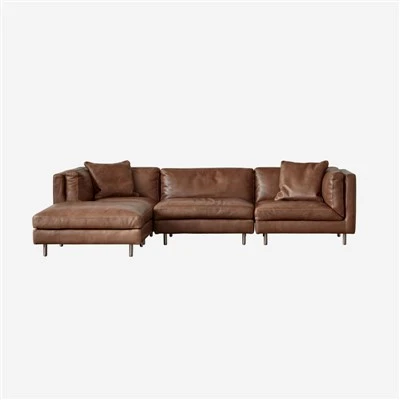
What Are Eco-Friendly Leather Materials for Sofas?
Sofa manufacturing is no longer focused only on frame strength, appearance and production cost. Furniture buyers are increasingly examining the materials used throughout the product, including upholstery. As the outer material of a sofa, leather directly affects appearance, touch, durability, cleaning and long-term use.
Eco-friendly leather materials refer to upholstery materials developed with greater consideration for material efficiency, production processes and environmental impact. Depending on the material structure and manufacturing method, this category can include recycled leather, bio-based materials, water-based PU leather and microfiber leather.
For sofa manufacturers, the key point is that an environmentally responsible upholstery material must also meet practical furniture requirements. A sofa used in a home, hotel, office or commercial environment needs sufficient resistance to daily friction, stains and cleaning.
Therefore, choosing an eco-friendly material is not simply about adding a sustainability claim to a sofa. It requires manufacturers to consider material properties, sofa structure, application conditions and production requirements together.
Why Leather Material Matters in Sofa Manufacturing
Upholstery accounts for a large part of a sofa's visible surface. It is also the component that users touch and interact with most frequently.
When selecting leather materials for sofa production, manufacturers need to consider several factors:
Surface appearance and texture
Wear resistance
Stain resistance
Cleaning requirements
Material flexibility
Thickness and construction
Color consistency
Compatibility with sofa design
Long-term appearance retention
A material may look attractive on a sample but perform differently after repeated use. For this reason, professional sofa manufacturing should connect material selection with the intended application.
For example, a residential sofa may prioritize comfort, appearance and easy maintenance, while a hotel or commercial sofa may require greater attention to frequent contact and cleaning.
This is where eco-friendly leather for sofas becomes more meaningful. The objective is not to replace performance with environmental considerations, but to integrate responsible material selection into a functional sofa design.
How Eco-Friendly Leather Improves Sofa Performance
Durability for Long-Term Furniture Use
Durability is one of the most important considerations when selecting upholstery materials.
Sofas are subjected to repeated sitting, friction, movement and daily contact. For commercial furniture, the frequency of use can be even higher.
An appropriate eco-friendly leather sofa material should therefore be evaluated not only by its environmental characteristics but also by its ability to maintain its surface condition during normal use.
For Qiangxin, material selection is considered as part of the overall sofa manufacturing process. The selected upholstery material needs to work with the sofa's structure, dimensions and intended application.
Wear Resistance
Repeated friction can gradually affect the surface of upholstery. Changes in texture, surface finish or color can influence the appearance of the finished sofa.
For this reason, wear resistance is particularly relevant when developing sofas for hotels, offices, restaurants, waiting areas and other high-contact environments.
By incorporating suitable environmentally responsible leather materials into sofa designs, manufacturers can address both material selection and practical furniture requirements.
Stain Resistance and Easy Maintenance
Sofa upholstery is exposed to dust, food, drinks and everyday contact. A surface that is easier to clean can simplify routine maintenance.
This is especially relevant to commercial furniture, where cleaning may be performed frequently.
When Qiangxin develops sofas using eco-friendly leather materials, the material's surface characteristics and intended application can be considered during product development. This helps buyers select upholstery according to how the sofa will actually be used rather than choosing materials based only on appearance.
Appearance and Touch
Sustainability does not eliminate the need for attractive furniture.
Modern upholstery materials can provide different colors, textures and surface finishes, allowing manufacturers to develop sofas for different interior styles.
For Qiangxin, this creates opportunities to combine eco-friendly sofa upholstery with customized sofa structures, colors and designs.
4. Eco-Friendly Leather and Sustainable Sofa Manufacturing
Sustainable furniture manufacturing involves more than the final material.
A sofa consists of multiple components, including the frame, cushioning, upholstery, hardware and packaging. Each component can influence the material consumption and manufacturing process.
Using environmentally responsible upholstery materials is therefore one part of a broader approach to more responsible sofa production.
A practical manufacturing process can include:
Material selection → Material inspection → Cutting → Sewing → Frame assembly → Upholstery → Final inspection → Packaging
At the material stage, manufacturers can evaluate whether the selected leather is suitable for the sofa design and production requirements.
During cutting, accurate pattern planning can help control material utilization.
During upholstery, the material must be properly positioned and tensioned to achieve the required surface appearance.
This manufacturing perspective is important because sustainability should be connected with actual production controls rather than treated only as a marketing statement.
How Qiangxin Applies Eco-Friendly Leather to Sofa Production
As a sofa manufacturer, Qiangxin integrates environmentally responsible leather material selection into its product development and manufacturing process.
Instead of treating upholstery as an isolated decorative component, Qiangxin considers the relationship between material, sofa structure, design and application.
Material Selection
Qiangxin can evaluate leather materials according to the customer's product requirements, including color, texture, thickness, appearance and intended application.
This helps create a material solution that matches the actual sofa design.
Precision Cutting
After material selection, upholstery components are cut according to product patterns and dimensions.
Accurate cutting is important because sofa panels need to match the geometry of the finished product. Proper material planning can also help reduce unnecessary material waste during production.
Sewing and Upholstery
Cut leather panels are sewn and prepared for upholstery. The production team then fits the upholstery onto the sofa structure according to the product design.
This stage directly affects seam positioning, surface tension and overall appearance.
Final Quality Inspection
Before shipment, finished sofas can be inspected for upholstery appearance, stitching, structure and other product requirements.
Through this production process, Qiangxin connects eco-friendly leather materials with practical sofa manufacturing, helping customers develop furniture that considers both material responsibility and end-use requirements.
Eco-Friendly Leather for Different Sofa Applications
Different applications require different upholstery considerations.
Residential Sofas
For home furniture, buyers may prioritize comfort, appearance, cleaning convenience and long-term daily use. Eco-friendly leather can provide an alternative material direction for customers developing residential sofa collections.
Hotel Sofas
Hotel furniture is exposed to frequent use and regular cleaning. Upholstery selection therefore needs to consider wear, surface maintenance and appearance retention.
Qiangxin can integrate suitable leather materials into customized hotel sofa designs according to project requirements.
Office Sofas
Office reception areas, meeting spaces and lounges require furniture that combines professional appearance with practical daily use. Material color, texture and maintenance requirements can be considered together during sofa development.
Commercial Furniture
Restaurants, waiting areas and other commercial environments may have different levels of contact and cleaning requirements. Choosing the appropriate upholstery material according to the application helps manufacturers develop more targeted sofa solutions.
7. Customization of Eco-Friendly Sofa Materials
Eco-friendly sofa manufacturing does not mean every customer must use the same material.
For OEM and ODM projects, upholstery can be developed around different design requirements.
Customers may specify:
Leather color
Surface texture
Material thickness
Sofa dimensions
Stitching design
Cushion configuration
Frame structure
Overall appearance
Qiangxin can integrate these requirements into the sofa development process, allowing environmentally responsible upholstery materials to be combined with customized furniture designs.
This approach is particularly useful for furniture brands that need a consistent visual identity across different sofa models.
Why Choose Qiangxin for Eco-Friendly Sofa Manufacturing?
The value of an eco-friendly sofa manufacturer is not simply the ability to provide an environmentally responsible material. The manufacturer also needs to understand how that material works within the complete production process.
Qiangxin focuses on the connection between material selection, sofa design, manufacturing and customer requirements.
By using eco-friendly leather materials as part of its sofa development approach, Qiangxin helps customers explore furniture solutions that place greater consideration on material responsibility while maintaining practical requirements for appearance, durability and maintenance.
For brands, wholesalers, hospitality projects and furniture buyers, this manufacturing approach can simplify the development of customized sofa products.
Whether the requirement is a residential sofa collection, hotel furniture, office seating or a customized commercial project, Qiangxin can work with customers from product design and material selection through sofa production.
Frequently Asked Questions
What is eco-friendly leather for sofas?
Eco-friendly leather is a broad category of upholstery materials developed with greater consideration for material sourcing, production processes or environmental impact. Different materials have different structures and performance characteristics, so buyers should evaluate the specific material rather than relying only on the term "eco-friendly."
Is eco-friendly leather suitable for commercial sofas?
It can be suitable when the selected material meets the performance requirements of the application. Commercial sofa buyers should consider factors such as wear resistance, stain resistance, cleaning frequency, surface appearance and expected usage conditions.
Can Qiangxin customize sofas with eco-friendly leather?
Yes. Qiangxin can develop customized sofa solutions based on requirements such as sofa dimensions, upholstery color, texture, structure, stitching and overall design. OEM and ODM projects can incorporate suitable eco-friendly leather materials according to the product requirements.
How does Qiangxin contribute to more responsible sofa manufacturing?
Qiangxin incorporates environmentally responsible leather material selection into sofa development while also considering material utilization, manufacturing processes and product application. This allows sustainability considerations to become part of the product development process rather than an isolated marketing feature.
Conclusion
Eco-friendly leather materials can contribute to more responsible sofa manufacturing when environmental considerations are combined with practical furniture performance. Durability, wear resistance, stain resistance, maintenance and appearance all need to be considered when selecting upholstery for different applications.
For Qiangxin, eco-friendly leather is part of a broader manufacturing approach that connects material selection with customized sofa design and production. By integrating environmentally responsible upholstery materials into OEM and ODM sofa projects, Qiangxin helps furniture brands develop products that respond to changing material expectations while maintaining the functional requirements of modern furniture.
For customers looking for eco-friendly leather sofas, sustainable sofa materials or customized sofa manufacturing, Qiangxin provides a manufacturing-oriented approach from material selection to finished furniture.