

How Is PVC Material Used In Sofas? A Guide To PVC Upholstery For Furniture Manufacturers
Oct 19, 2026
Leave a message
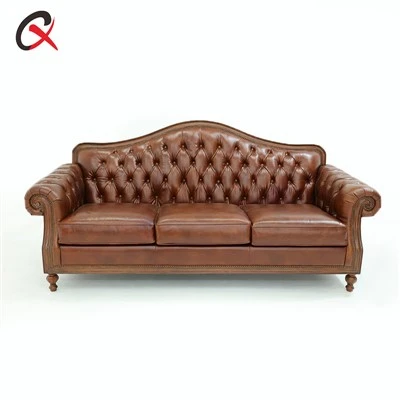
What Is PVC Material for Sofas?
PVC material is widely used in furniture upholstery, particularly for sofas, office seating, reception furniture, and other upholstered products. PVC stands for polyvinyl chloride, a synthetic polymer that can be formulated into flexible sheets and coatings for furniture applications. In the upholstery industry, PVC leather is commonly used as an alternative to genuine leather and other synthetic upholstery materials.
PVC leather typically consists of a textile backing, a PVC-based coating, and a finished surface layer. The backing provides structural support, while the coating forms the visible surface and influences properties such as flexibility, water resistance, and wear performance. Embossing and surface finishing create different leather-like textures, colors, and gloss levels.
For sofa manufacturers, PVC upholstery offers flexibility in product design and material selection. It can be produced in different thicknesses, colors, and surface patterns to meet the requirements of residential furniture, commercial seating, and cost-conscious furniture collections.
At Qiangxin Furniture, material selection is considered alongside sofa dimensions, frame construction, cushion design, upholstery requirements, and the intended sales market. This approach helps buyers evaluate PVC upholstery as part of a complete sofa specification rather than as an isolated material choice.
How Is PVC Leather Manufactured?
Understanding the manufacturing process helps furniture buyers assess the appearance, construction, and expected performance of PVC upholstery.
Raw Material Preparation
PVC resin is combined with formulation ingredients such as plasticizers, stabilizers, pigments, and other additives. These ingredients influence the flexibility, color, processing characteristics, and surface properties of the finished material. The exact formulation varies by manufacturer and intended application.
A textile backing, which may be made from polyester, cotton, or another suitable fabric, provides support for the coating. Its structure affects dimensional stability, handling, and suitability for subsequent upholstery operations.
Coating and Lamination
The prepared PVC compound is applied to the backing using an appropriate coating or lamination process. Depending on the production method, the material may undergo additional heating, bonding, or finishing operations to develop the required structure.
Coating uniformity is important because variations in thickness or adhesion may affect the finished upholstery. Material suppliers should therefore define the applicable thickness specifications and quality inspection procedures.
Embossing and Surface Finishing
Embossing rollers or other finishing techniques create the surface pattern. Common options include fine grain, pebbled textures, smooth finishes, and leather-inspired patterns. Pigments and finishing coatings can produce different colors and gloss levels.
After finishing, the material is inspected for visible defects, color consistency, surface uniformity, and other specified characteristics before being rolled, packaged, and supplied to furniture manufacturers.
For B2B buyers, the important consideration is not simply whether a material is described as PVC leather. The actual backing, thickness, surface treatment, and test results should match the intended sofa application.
How Is PVC Material Applied to Sofa Upholstery?
PVC leather is generally supplied in rolls and converted into upholstery components during sofa manufacturing. The process requires coordination between material specifications, cutting patterns, sewing operations, and the sofa's structural design.
Step 1: Confirm the Upholstery Specification
Before production begins, the manufacturer identifies the required color, texture, material thickness, backing construction, and upholstery performance criteria. These details should be agreed upon before bulk material procurement.
For customized sofa orders, buyers should also consider the furniture's intended use. A sofa for a private living room may have different requirements from seating used in a hotel lobby, office reception area, or commercial waiting room.
Step 2: Create Cutting Patterns
PVC upholstery material is measured and cut according to the dimensions of the sofa's seat, backrest, arms, and other upholstered sections. Pattern planning helps control material consumption and maintain consistency between components.
Complex sofa designs may require separate patterns for curved arms, segmented cushions, decorative panels, and contrasting upholstery sections. The cutting plan should account for the direction of embossed grain and any visible differences between material sections.
Step 3: Sew and Assemble Upholstery Components
The cut panels are sewn or joined according to the sofa design. Seam placement, stitching density, panel alignment, and material tension influence the finished appearance.
PVC upholstery should be handled according to its thickness and flexibility. Excessive tension, unsuitable needles, or poorly designed seams may contribute to surface damage or premature failure.
Step 4: Upholster the Sofa Frame and Cushions
The upholstery components are fitted over the prepared sofa structure and cushioning. The material is positioned and secured to achieve the required shape, surface tension, and alignment.
Corners, seams, armrests, and other high-stress areas need particular attention because repeated movement and localized tension can affect long-term performance.
Step 5: Inspect the Finished Sofa
Final inspection should cover visible surface defects, stitching, upholstery alignment, cushion fit, frame stability, and the operation of any additional functions. Material-specific tests may also be required under the buyer's quality plan.
For customized bulk orders, a clearly defined specification and approved sample provide a practical reference for checking production consistency.
Key Performance Characteristics of PVC Sofa Upholstery
PVC leather has several characteristics that make it suitable for particular furniture applications. Its actual performance depends on formulation, thickness, backing construction, surface finishing, and manufacturing quality.
Water Resistance and Cleaning
The PVC surface can reduce water penetration compared with many untreated textile materials. Everyday spills may be removed by wiping the surface with a soft cloth, subject to the material manufacturer's care instructions.
However, water resistance does not mean that every PVC sofa is waterproof under all conditions. Liquid can enter through seams, damaged coatings, or unprotected areas. Strong solvents and abrasive cleaners may also damage the finish.
Surface Wear and Flexibility
Abrasion resistance depends on the coating system and surface treatment. Buyers should request relevant test results rather than assuming that all PVC leather has the same wear resistance.
Flexibility is equally important for sofa upholstery. The material must accommodate bending around arms, cushions, and corners without developing unacceptable creases or cracks. Poor formulation, unsuitable processing, or prolonged aging can affect flexibility and coating integrity.
Color and Texture Options
PVC upholstery can be produced in a broad range of colors and embossed patterns. These options allow furniture manufacturers to coordinate sofas with different interior styles and product collections.
For buyers developing a private-label range, a consistent material specification helps maintain the intended appearance across multiple production batches.
Breathability and Comfort
PVC upholstery generally has lower breathability than many textile upholstery materials and may feel warmer during extended contact. Cushion foam, seat construction, room temperature, and surface texture also influence the user's seating experience.
For sofas intended for prolonged daily use, buyers should evaluate the complete seating system rather than relying on the upholstery material alone.
PVC Leather vs. PU Leather for Sofa Production
PVC leather and PU leather are both synthetic upholstery materials, but they use different polymers and can have different handling and performance characteristics.
PVC leather uses polyvinyl chloride as its principal coating material. It is available in a wide variety of textures and finishes and is often considered for furniture programs where material cost, surface cleaning, and visual consistency are important.
PU leather uses polyurethane as its principal coating material. Depending on its formulation and construction, it may offer a softer hand and a more flexible surface. However, performance varies significantly between products, and PU upholstery should not automatically be assumed to be more durable or breathable.
When comparing these materials, furniture buyers should assess:
Surface feel: Compare softness, texture, and comfort using physical samples.
Thickness and flexibility: Confirm suitability for the sofa's curves, seams, and upholstery pattern.
Wear performance: Review test methods and results relevant to the expected use.
Cleaning requirements: Confirm which cleaning agents and procedures are permitted.
Project cost: Compare the specified material, estimated consumption, manufacturing requirements, and total order cost.
The appropriate choice depends on the target price, intended use, design requirements, and expected service conditions.
How to Choose PVC Material for Different Sofa Applications
Selecting PVC upholstery begins with identifying the operating conditions of the finished furniture.
Residential Sofas
For household sofas, buyers should consider appearance, seating comfort, cleaning requirements, and resistance to everyday wear. Color and grain selection should also match the intended furniture style.
Office and Reception Sofas
Office reception areas and waiting rooms may require surfaces that are easy to maintain and suitable for frequent use. Buyers should specify the expected usage level and request appropriate abrasion and cleaning-resistance information.
Hotel and Commercial Furniture
Commercial furniture projects often require consistent appearance across multiple units. PVC upholstery may be considered where the material specification, maintenance requirements, and project budget align.
For hospitality or public-space installations, buyers should verify any applicable fire-safety, chemical-compliance, and other regulatory requirements for the destination market. PVC upholstery should not be assumed to meet a particular standard without supporting documentation.
Questions to Ask Before Ordering
Before confirming a bulk purchase, buyers should establish the material thickness, backing type, color, texture, relevant performance tests, and care requirements. They should also review how the material performs when sewn, stretched, and fitted around the intended sofa design.
These details help reduce specification differences between sample approval and mass production.
Qiangxin Furniture: Custom Sofa Manufacturing for B2B Buyers
For wholesalers, furniture retailers, distributors, and private-label brands, choosing a sofa manufacturer involves more than selecting an upholstery color. The finished product must meet the required dimensions, construction details, appearance, and order specifications.
Qiangxin Furniture works with B2B buyers developing sofa collections and furniture orders for different market requirements. PVC upholstery can be considered as part of a customized sofa specification, alongside the frame structure, cushion configuration, overall dimensions, and exterior design.
During project development, buyers can communicate their target sofa style, reference images, dimensions, preferred upholstery material, color requirements, and order quantity. These details provide the basis for reviewing product feasibility and confirming the manufacturing specification.
For mixed-product orders or new furniture collections, buyers should clarify which models require the same upholstery material and which need separate specifications. This makes it easier to organize samples, approve product details, and maintain consistent requirements during production.
Qiangxin's role in the process is to coordinate the agreed product specification with the manufacturing requirements. The final scope of customization, available materials, production schedule, and order quantity should be confirmed for each project before the order is placed.
Customization Options for PVC Upholstered Sofas
PVC upholstery can support a range of sofa designs when the material and furniture construction are selected together.
Upholstery Color and Surface Pattern
Buyers can specify a preferred color and surface texture based on an approved material sample. For larger orders, retaining a confirmed sample or documented specification provides a reference for subsequent production batches.
Sofa Dimensions and Configuration
Depending on the product design and manufacturing feasibility, buyers may request adjustments to sofa length, seat depth, backrest height, armrest shape, or seating configuration. Dimensional changes should be evaluated together with the frame, cushion, and upholstery patterns.
Cushion and Structural Specifications
Seat and back cushions influence seating firmness, support, and the final sofa profile. Buyers should communicate their preferred cushion configuration and any defined material requirements before production.
The frame and upholstery must also be compatible with the intended design. A change in cushion thickness or armrest geometry may require corresponding adjustments to the upholstery pattern.
Private-Label and Bulk Orders
For OEM or private-label projects, buyers should provide applicable branding requirements, packaging specifications, product identification details, and destination-market requirements.
Bulk orders benefit from a documented specification covering the upholstery material, color, dimensions, construction, and inspection criteria. Sample approval should take place before mass production when required by the project.
Qiangxin Furniture can review these requirements with buyers to establish the scope of customization and determine the appropriate production arrangements for the order.
Frequently Asked Questions About PVC Sofas
Is PVC leather suitable for everyday sofas?
PVC leather can be suitable for everyday sofas when its flexibility, wear performance, and construction meet the intended usage requirements. Buyers should assess the actual material specification and the quality of the finished sofa.
How do you clean a PVC upholstered sofa?
Use a soft cloth and a cleaning method approved by the upholstery supplier. Avoid abrasive tools and unapproved solvents, which may damage the surface coating. Spills should be cleaned promptly, and seams should not be exposed to unnecessary moisture.
Can PVC upholstery be customized for bulk sofa orders?
PVC upholstery is available in different colors, textures, thicknesses, and backing constructions. For bulk sofa orders, the selected material must be compatible with the sofa design, upholstery process, target price, and order quantity. Availability and minimum order requirements should be confirmed with the manufacturer.
What information should buyers provide when requesting a custom sofa quotation?
Buyers should provide reference images or drawings, sofa dimensions, preferred upholstery material, color and texture requirements, cushion preferences, order quantity, destination market, and any applicable testing or packaging requirements. These details help the manufacturer assess the project and prepare a more accurate quotation.
Conclusion
PVC material is a practical upholstery option for selected sofa applications because it offers varied surface finishes, customizable colors, and a surface that can be cleaned using appropriate care procedures. Its suitability depends on the material formulation, backing structure, upholstery construction, and expected conditions of use.
For B2B furniture buyers, a successful project starts with a clear product specification and an assessment of the complete sofa rather than the upholstery material alone. By defining dimensions, construction, material requirements, and inspection criteria before production, buyers can better manage product consistency across customized orders.
Qiangxin Furniture welcomes inquiries from furniture retailers, wholesalers, distributors, and private-label buyers seeking customized sofa manufacturing. Share your sofa design, upholstery preferences, target quantity, and project requirements to discuss a suitable manufacturing plan.