

Top 10 Sofa Factories in The World
Sep 29, 2025
Leave a message
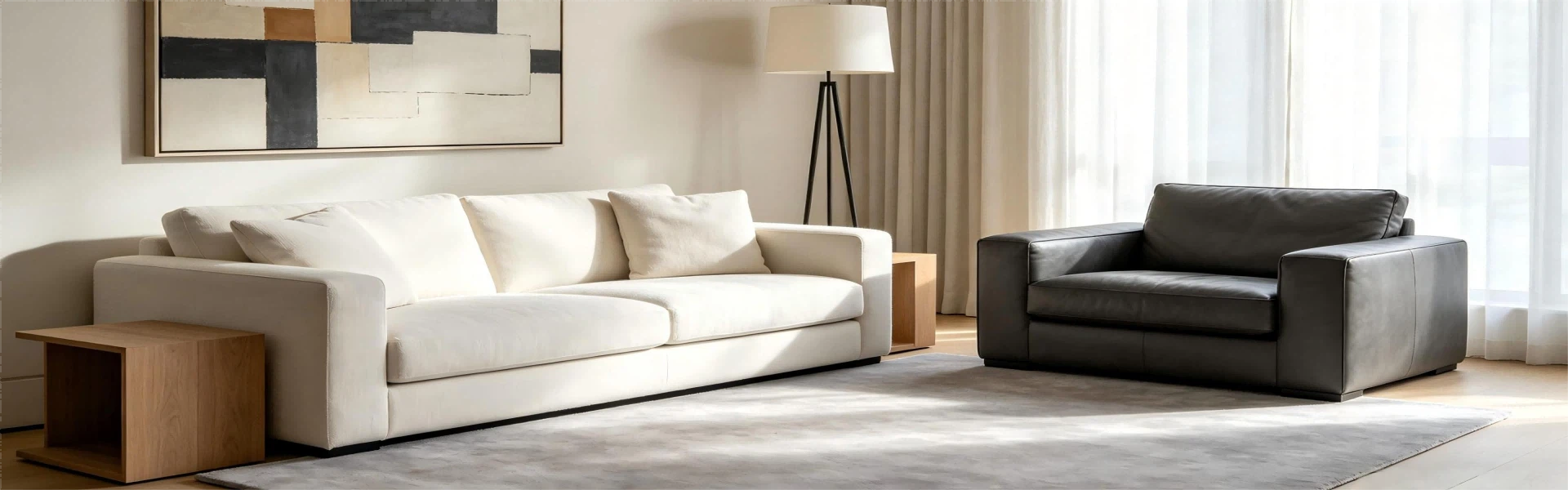
Sofas are undoubtedly one of the most sought-after core products in the global furniture industry. As the centerpiece of home living, sofas embody comfort and design, directly determining the style and functionality of a space. An increasing number of international buyers, wholesalers, and retailers are actively seeking high-quality sofa manufacturers with stable supply chains and innovative capabilities.
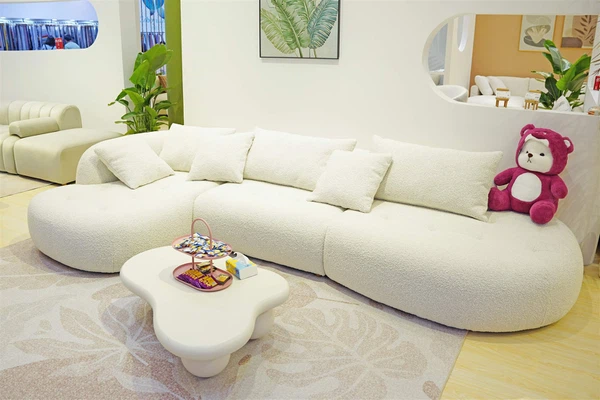
For B2B buyers, selecting a sofa factory requires more than just product quality; they also consider production scale, quality systems, delivery capabilities, and the availability of OEM and ODM customization services. Factories with advanced production equipment, mature processes, and strict quality control often offer partners more competitive solutions and facilitate market expansion.
To help furniture wholesalers, distributors, and cross-border e-commerce buyers quickly find reliable partners, we've compiled a list of the world's top ten sofa factories. With years of export experience, comprehensive service systems, and a global presence, these factories have become preferred suppliers for various construction projects, chain stores, and brand owners.
How to Systematically Select a Sofa Supplier
Choosing a sofa supplier is a strategic decision. The following is a three-step, systematic framework designed to help you find the best partner.
Step 1: Deeply Analyze Yourself and Define Your Needs
Before searching for a supplier, you must first clearly define your needs. This is the cornerstone of all subsequent decisions.
- 1. Clarify your core identity and sourcing purpose: What type of buyer are you? Are you a brand/retailer seeking a long-term contract manufacturing partnership? A developer/hotel manager purchasing for a specific project? Or an interior designer or end-user prioritizing the final result? Different identities have distinct core needs.
- 2. Define your product and market positioning: Determine whether your target market is high-end, mid-range, or mass market. This directly determines which supplier price range you should focus on.
- 3. Define key specifications: Specify your requirements, including:Style preference: Modern, classic, functionalist, or Eastern aesthetic? Budget range: Consider not only the unit price of the product but also comprehensive costs such as logistics and tariffs. Quantity and Customization: Are you purchasing large quantities of standard products, or do you require in-depth OEM/ODM customization? Quality and Certification: Are there any special requirements for durability or environmental standards (such as GREENGUARD)?

Step 2: Evaluate Potential Suppliers Based on a Matrix
Use your specific requirements as a benchmark to evaluate each potential supplier. We recommend constructing an evaluation matrix based on the following four core dimensions:
- 1. Style and Design Capabilities: Evaluate whether the supplier's product aesthetic aligns with your brand or project's ethos. Do they specialize in trendsetting original designs, or are they more focused on reproducing and refining classic styles?
- 2. Pricing and Cost Structure: Analyze the rationale behind their quote. Is it a high brand premium, cost advantages driven by scale, or the result of a vertically integrated supply chain? Ensure their cost structure aligns with your budget.
- 3. Capacity and Supply Chain Stability: Examine their production scale, minimum order quantity (MOQ), on-time delivery, and ability to cope with raw material fluctuations. A strong supply chain guarantees stable supply.
- 4. Potential Risks and Market Focus: Identify potential risk points. For example, is the supplier overly dependent on a particular regional market (such as North America) and potentially vulnerable to trade policies? Is its financial health sound?
Step 3: Conduct Due Diligence and Final Verification
After initially shortlisting targets, final verification through actual action is crucial for risk mitigation.
- 1. Proactive Communication and Formal Inquiry: Contact the factory sales or business development department directly with a detailed request for proposal (RFP) to obtain a formal, clearly defined quotation.
- 2. On-site Visit or Sample Inspection: For significant orders, arranging a factory visit is crucial. Witness the production line, quality management processes, and warehouse management firsthand. If an on-site visit is not possible, request physical samples for rigorous inspection.
- 3. Qualification and Background Verification: Request the supplier's business license, industry certifications (such as ISO, BIFMA), and previous collaborations on similar projects for cross-verification.
- 4. Explore Industry Reputation: Through industry trade shows, peer recommendations, and B2B platforms, learn about the supplier's reputation, credibility, and stable partnerships.
Following this three-step strategy, you'll transform from a passive information receiver to a proactive, informed decision-maker, systematically identifying the "best partner"-not just the "most reputable factory"-that best aligns with your business needs.
Top 10 Sofa Factories in The World
| Factory Name | Primary Origin | Primary Style | Core Advantage |
|---|---|---|---|
| MW | China | Functional, Modern | Functional Sofa Leader |
| GJ | China | Modern, Diverse | Full-Industry Chain Cost-Effectiveness |
| Qiangxin Furniture | Haining, Zhejiang |
American Modern / North American Mainstream |
Part of the Kaiseng Group. Specializes in sofas for the European and North American markets. Annual output of 600,000 sets, 90% exported to North America. Holds BSCI certification, supports wholesale and customization, with strong global expansion potential. |
| QY | China | Modern, Minimalist | High Cost-Effectiveness & Eco-Friendly |
| MR | China | Fashion, Export-Oriented | Export Quality & Design |
| YJ | Sweden | Scandinavian, Minimalist | Global Supply Chain & Affordability |
| LZB | USA | Classic American, Functional | Functional Sofa Pioneer |
| Natuzzi | Italy | High-End, Modern, Classic | Top-Tier Leather & Design |
| Ashley | USA | American, Diverse | Vertical Integration & Scale |
| Ekornes | Norway | Modern, Comfort | Ergonomic Comfort |
MW
Company Profile: Headquartered in Hong Kong, this publicly listed company is Asia's largest functional sofa manufacturer, owning the renowned "Zhihuashi" brand. Its products are sold in over 100 countries and regions worldwide, demonstrating its extensive scale.
It is the undisputed market leader in the functional sofa sector, boasting strong market share and brand recognition. This scale has brought advantages in cost control and technological research and development. However, its historical overreliance on overseas markets and OEM manufacturing has exposed it to certain risks in the face of international trade frictions.
GJ
Company Profile: One of China's leading comprehensive home furnishing brands, offering everything from sofas to complete home furnishings. Its product line covers a wide range of styles, including modern, affordable luxury, and Nordic.
It has a comprehensive industrial chain layout and a strict quality control system. Its product designs cater to a broad range of aesthetics. However, as a major player in the mass market, it may not lag behind other luxury brands in terms of personalized customization and premium product lines.
Qiangxin Furniture
Company Profile:Qiangxin Furniture Co., Ltd. (Haining Qiangxin Furniture Co., Ltd.) is a professional furniture manufacturer located in Haining City, Zhejiang Province, China. Founded in 2018, the company specializes in the research, development, production, and sales of high-quality upholstered furniture, including sofas, beds, armchairs, functional sofas (such as adjustable sofas), sofa beds, and ottomans.
Haining Qiangxin Furniture Co., Ltd. is a professional sofa manufacturer integrating R&D, production, sales, and after-sales service. Founded in 2018, leveraging its parent company, Kaisheng Group,'s nearly 20 years of experience in upholstered furniture manufacturing, the company has grown into a trusted partner in the global furniture industry. The group operates a 330,000-square-meter modern production facility in Haining, Zhejiang Province, with an annual output of over 600,000 finished sofas, primarily exported to developed countries in Europe and the United States.
- Strong Production Capacity: With a 330,000-square-meter modern production facility and an annual output of 600,000 sofas, we ensure stable delivery of large orders.
- International Market Experience: Our products are exported to global markets including the United States, Canada, Australia, and Asia, demonstrating extensive experience in cross-border collaboration.
- OEM & ODM Services: As a professional OEM sofa manufacturer, we offer a variety of customized services to meet the diverse needs of retailers, wholesalers, and construction projects.
- Strict Quality and Certifications: We hold international certifications such as BSCI, C-TPAT, and FSC, meeting the high standards of quality and responsibility for global customers.
- Research and Design Strengths: The parent company has long served large shopping malls and auto dealerships, accumulating extensive expertise in furniture design and R&D. Its products offer both comfort and durability.
As a sofa supplier with an international perspective, Qiangxin Furniture not only strives to create a full line of high-end indoor and outdoor furniture, but also offers customized solutions for commercial spaces and project clients. Leveraging its unique business philosophy, professional research capabilities, and experienced management team, the company has earned a strong market reputation. Currently, the company operates processing plants in Tongxiang, Haining, and overseas, and its business scale continues to expand, reaching an annual output value of tens of millions of dollars.

As of 2022, the company's total sales reached US$22 million, with monthly exports exceeding 100 containers. 90% of its products are sold to the North American market, with the company gradually expanding its business into Asia, Australia, and other regions. The company has obtained international certifications such as BSCI, C-TPAT, and FSC, fully demonstrating its commitment to quality, environmental protection, and social responsibility.
QY
Company Profile: A large Chinese furniture company, its core focus is on "inclusive and high-quality products." Its product line covers diverse consumer needs and covers a wide market reach.
Competitive pricing and reliable quality have earned it widespread popularity in the mass market. Its products feature simple, practical designs and extensive use of environmentally friendly materials. However, its brand positioning is primarily focused on the mid-range and mass-market segments, with high-end products and luxury design not being its strengths.
MR
Company Profile: One of China's leading sofa manufacturers, it owns brands such as "Mulan Rouge." Its products are primarily for export, featuring stylish designs and high-quality materials.
The company prioritizes high-quality materials and stylish design, and has collaborated with China Aerospace, establishing a high-quality, high-tech brand image. However, its early business focus was heavily on sofa exports, resulting in a heavy reliance on the US market, which could be impacted by geopolitical and tariff policies.
YJ
Company Profile: A globally renowned multinational home furnishings retailer and manufacturer headquartered in Sweden. Renowned worldwide for its flat-pack, consumer-assembly product model, LZB boasts an unparalleled global supply chain, brand influence, and distribution capabilities.
Its signature low-price strategy and flat-pack design significantly reduce costs and shipping difficulties. However, its product styles are relatively uniform and standardized, lacking in uniqueness. The durability and long-term experience of some products may not match those of professional furniture brands.
LZB
Company Profile: A legendary furniture manufacturer originating in the United States, LZB is renowned for its functional sofas and recliners, and is a pioneer in the functional sofa market.
With a rich history and technological expertise in the functional sofa market, LZB enjoys strong brand recognition and loyalty in the North American market. However, its products are priced relatively high. Its classic American style may differ from the modern minimalist and modern styles, appealing to a relatively specific audience.
Natuzzi
Company Profile: One of Italy's largest furniture manufacturers and a global leader in the leather sofa market, LZB is renowned worldwide for its exceptional design, exquisite craftsmanship, and high-quality leather.
LZB boasts strong design capabilities and brand heritage, with undisputed advantages in producing high-end leather sofas. LZB also boasts a global sales network. However, its products are positioned in the high-end market, resulting in high prices and a limited audience. Mass production can pose challenges in maintaining consistent quality across individual products.
Ashley
Company Profile: One of the largest furniture manufacturers in the United States, it offers a comprehensive range of home furnishing products and solutions, renowned for its high production volume and extensive product line.
It boasts a vertically integrated supply chain, enabling independent control from wood processing to finished product production, resulting in high efficiency and low costs. Its products offer a diverse range of styles and price points. However, due to its mass production, its products tend to be more accessible, lacking in unique design and high-end quality.
Ekornes
Company Profile: A top Norwegian furniture manufacturer, now acquired by China's Qumei Home Furnishing. It is globally renowned for its innovative "Stressless" brand of comfort chairs and sofas.
It is renowned for its superior ergonomic design, high quality, and comfort. The "Stressless" sofa chair is a global benchmark in comfort chairs. However, the brand's premium positioning leads to high prices. Its product line focuses on comfort chairs and functional sofas, with a relatively limited selection of traditional sofa styles.
How to evaluate the quality of sofa factories?
Choosing a reliable sofa factory is crucial for furniture retailers, interior designers, or contract manufacturers. Substandard factories can lead to order delays, poor quality products, and loss of customer trust. Here are six key points to consider when evaluating sofa factory quality.

Production Capacity and Hardware: The Core of Stable Quality
- Scale and Layout: Separate workshops for cutting and sewing are required. For bulk orders, multiple production lines or backup capacity should be confirmed to avoid delays during peak seasons.
- Equipment and Automation: Factories with CNC fabric cutting machines and automatic spring assembly machines are preferred. Environmentally friendly equipment such as low-VOC glue machines should also be in place, complying with EU ECOLABEL standards.
- Delivery Reliability: Request monthly production data, order completion rate, and delivery deadlines. Factories with ERP scheduling systems are more reliable.
Raw Material Procurement: The Foundation of a Sofa's Durability
Materials determine the lifespan of a sofa. Evaluation methods are as follows:
- Material Standards: For the frame, choose FSC solid wood or high-density plywood; for foam, use a high-resilience foam with a weight of ≥30 kg/m³; for fabric/leather, ensure abrasion resistance and meet colorfastness standards.
- Suppliers and Quality Inspection: Prioritize factories partnering with reputable material suppliers. Third-party material testing reports are required to confirm rigorous incoming material inspection.
Production Process: Details Determine Quality
The frame must be constructed with a mortise and tenon joint structure and rust-resistant screws. This connection method is more secure than nails alone. The frame surface must also be coated with an anti-mite and anti-corrosion coating to extend its service life. Regarding springs and filling, whether S-shaped or pocket springs, spacing must be controlled within 5 cm to ensure even force distribution. The foam or down filling must be evenly distributed and free of lumps to prevent dents during use. When sewing fabric, the stitch length must be no less than 10 stitches per inch, and the seams must be straight and free of fraying. For printed fabrics, the pattern must be precisely aligned at the seams to ensure visual aesthetics. During assembly, there must be no visible glue marks, the sofa legs must not wobble after installation, and the armrests, backrest, and frame must fit tightly together to prevent looseness.
Quality Inspection and Certification: Proof of Compliance
Factory boasts alone are not enough; two key points must be considered:
- Core Certifications: EU REACH, US GREENGUARD, and UK BS 5852 certifications are required.
- Internal Testing: Prioritize factories with laboratories. Seat backs must undergo 100,000-cycle fatigue testing and pressure distribution comfort testing.
R&D and Customization: Market Adaptability
The factory's innovation and customization capabilities are crucial:
- R&D Strength: Understand the size of the design team and the frequency of new product releases to ensure they're keeping up with trends like modular and smart sofas.
- Customization and Patents: Confirm fabric and size adjustments are available. Factories with patents like stain-resistant fabrics and ergonomic springs are more competitive.
After-Sales Service: Guarantee of long-term partnerships
Reliable factories will provide after-sales support:
- Confirm warranty, spare parts replacement, and proactive follow-up on after-sales issues.
- Review customer reviews or request references; factories with a strong after-sales reputation are more worthy of cooperation.